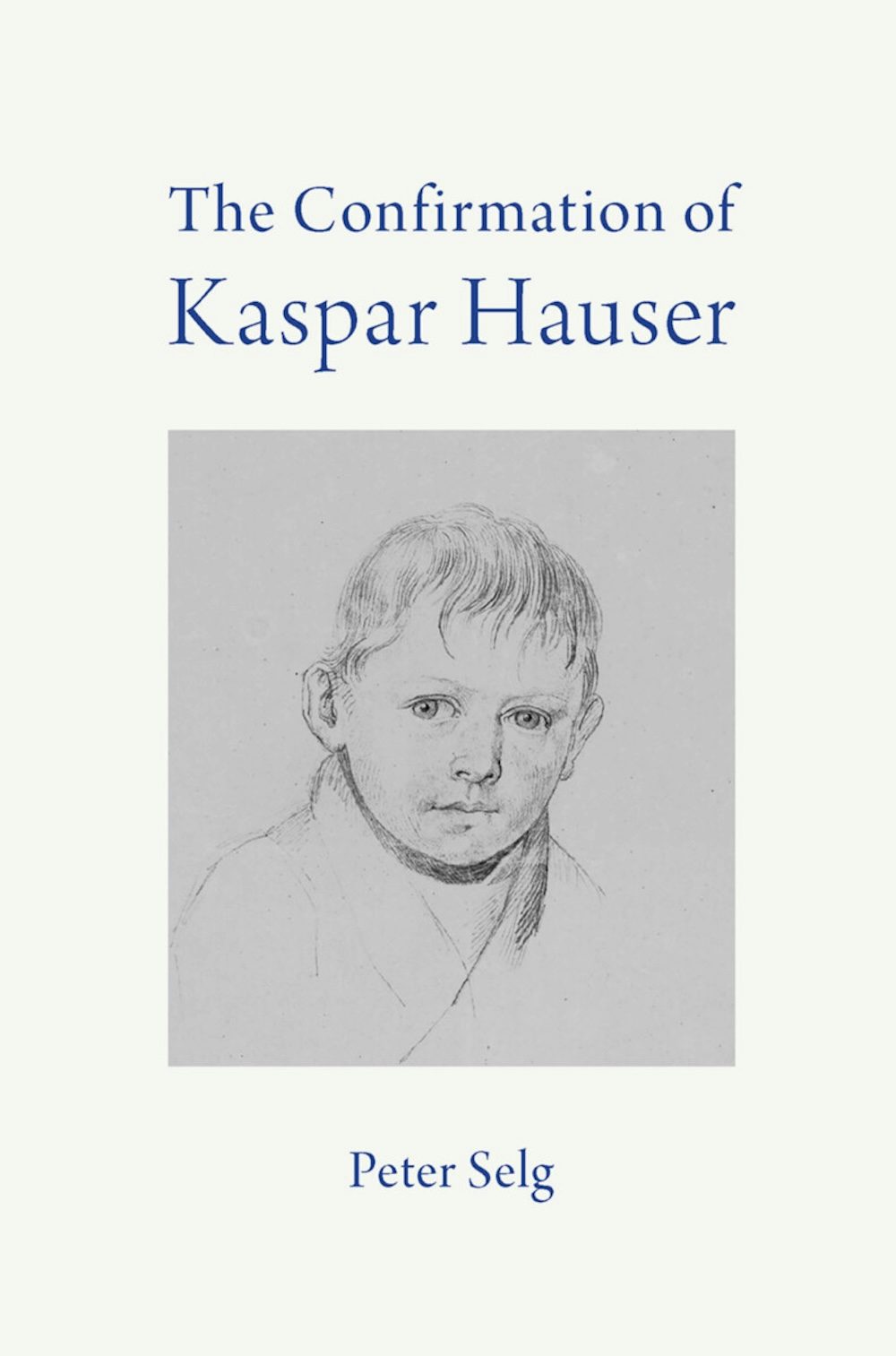
The Confirmation of Kaspar Hauser
The Confirmation of Kaspar Hauser
Couldn't load pickup availability
Selg compares the biographies of Kaspar Hauser and Rudolf Steiner, who stated, "If Kaspar Hauser had not lived and died as he did, the contact between the earth and the spiritual world would have been completely broken." And Selg points out, "Through his path of suffering, Hauser prepared something that would allow new life and a new 'teaching' to enter the earthly realm."
"It was not only fame that Kaspar Hauser and Rudolf Steiner shared, but also the common fate of suffering under the methodical campaign of their opponents. From the very beginning, the aim was to divert Hauser from his task--indeed, from his very individuality--through subjecting him to long years of confinement, through the assassination attempt in Nuremberg, and finally the fatal stabbing in the Hofgarten in Ansbach." -- Peter Selg
We are also able witness Kaspar Hauser's confirmation ceremony of May 20, 1833, in the Swan Knight Chapel of the Gumbertus Church in Ansbach. Eckart Böhmer, director of the Kaspar Hauser Festival, wrote, "Kaspar Hauser's confirmation, probably in his 21st year, is possibly the brightest event of his short life."
This book is a translation from German of the book Schicksals-Weihe. Die Konfirmation Kaspar Hausers (Verlag des Ita Wegman Instituts, Stuttgart, 2018) and chapters 1 & 2 from Das andere Deutschland. Über Friedrich Hölderlin, Kaspar Hauser und Rudolf Steiner (Verlag des Ita Wegman Instituts, Stuttgart, 2016).
Share